Recording your own audiobook sounds straightforward until you actually try it. The equipment requirements, acoustic challenges, editing time, and performance consistency demands make voice recording a specialized skill that most writers and content creators haven't developed.
AI voice synthesis has matured to the point where you can produce professional-quality audiobooks without speaking a single word. This technology doesn't just convert text to speech; it generates natural, expressive narration that listeners can comfortably engage with for hours.
Why Audio Versions Matter for Written Content
The audiobook market has grown consistently for nearly a decade. Listeners consume audiobooks during commutes, workouts, household tasks, and before sleep—contexts where reading isn't practical. For authors and educators, this represents a significant portion of potential audience that remains unreached if content exists only in written form.
Audiobooks reach your audience in contexts where traditional reading is impossible.
Beyond commercial audiobooks, long-form audio serves multiple content types. Online courses benefit from audio versions that students can review during time away from screens. Long blog posts or article compilations become more accessible as audio. Whitepapers and research documents reach professionals who prefer listening during their workflow.
AI AUDIOBOOKS
No Mic No Studio
Produce studio-quality narration with ElevenLabs voice synthesis, no recording gear required.
Understanding Modern Voice Synthesis Quality
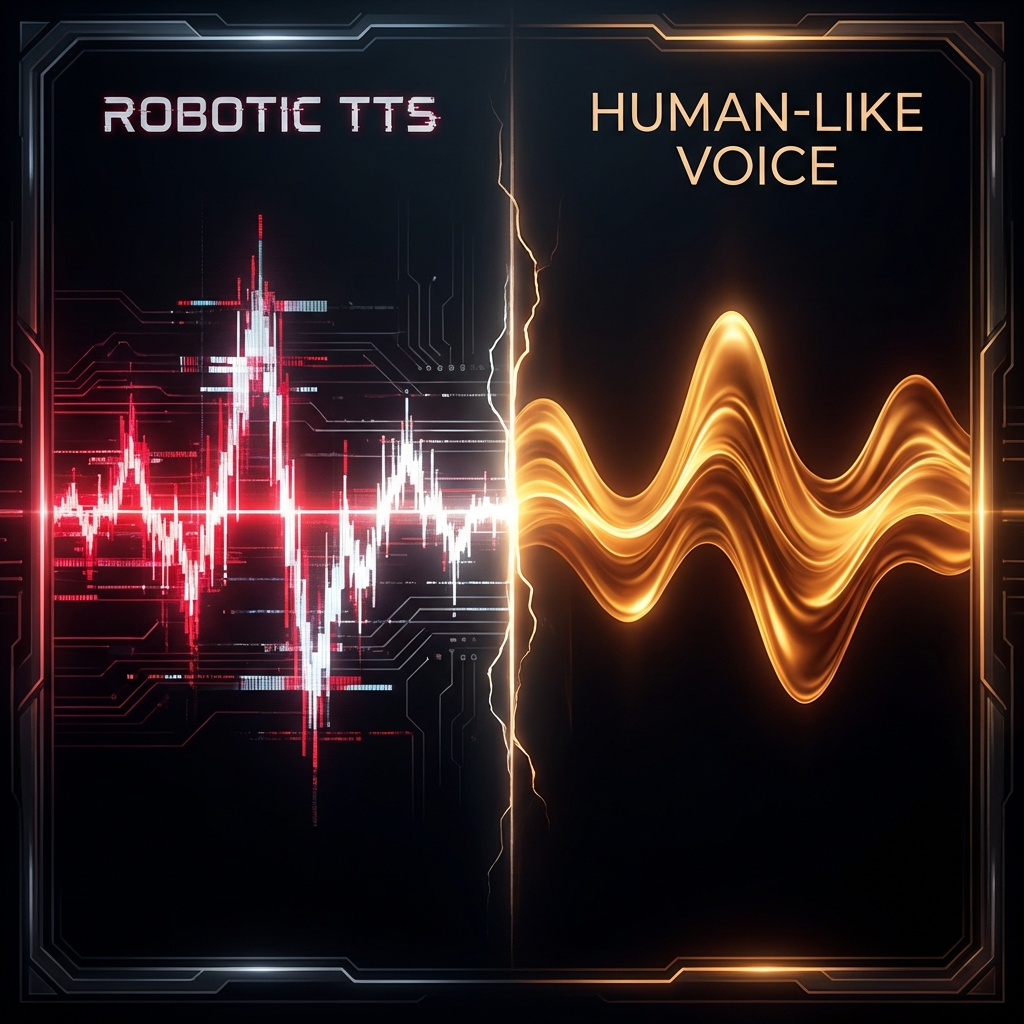
Early text-to-speech technology produced robotic, monotone audio that reminded listeners they were hearing machine-generated content. This created resistance to AI narration—listeners found it fatiguing and difficult to focus on for extended periods.

Current neural synthesis captures the subtle variations that make speech feel natural.
ElevenLabs' voice technology demonstrates this evolution clearly. The system generates speech with natural breathing patterns, appropriate emphasis on important words, and tonal variation that maintains listener interest across long-form content. When you listen to an hour of narration, you don't experience the fatigue that earlier synthetic voices produced.
AI AUDIOBOOKS
Consistent Voice Every Chapter
Keep narration consistent across hours of audio with Projects.
Planning Your Audio Production
Before generating audio, consider how your written content will translate to spoken format. Text written for reading often needs adjustment for listening. Start by reading portions of your content aloud. You'll likely notice sentences that work fine visually but become confusing when spoken.
Audio-First Formatting
Long, complex sentences might need simplification. Lists and bullet points need verbal framing that makes their structure clear without visual formatting. Clear verbal transitions between sections help maintain orientation for the listener.
AI AUDIOBOOKS
Publish Your Audiobook Faster
Skip the narrator hiring process entirely and produce your audiobook end to end.
The Production Workflow
Creating an audiobook or long-form audio piece follows a logical sequence that becomes more efficient with practice.
- Preparing Your Manuscript: Remove visual formatting and break content into manageable sections, typically chapter by chapter.
- Choosing and Testing Voices: Listen to samples to find a voice that suits your content's tone—whether authoritative for business or conversational for personal development.
- Generating Audio Files: Process content section by section to maintain control and make corrections easier.
- Reviewing and Editing: Listen critically for mispronunciations of unusual names or technical terms, using phonetic spelling for adjustments.
- Assembly and Mastering: Combine files into complete chapters and ensure consistent volume levels across the entire project.
The economics of AI-narrated audiobooks differ significantly from traditional production. Professional human narration typically costs between $100-$400 per finished hour. AI voice synthesis costs generally fall 90-95% below this, making high-volume production practical for everyone.